
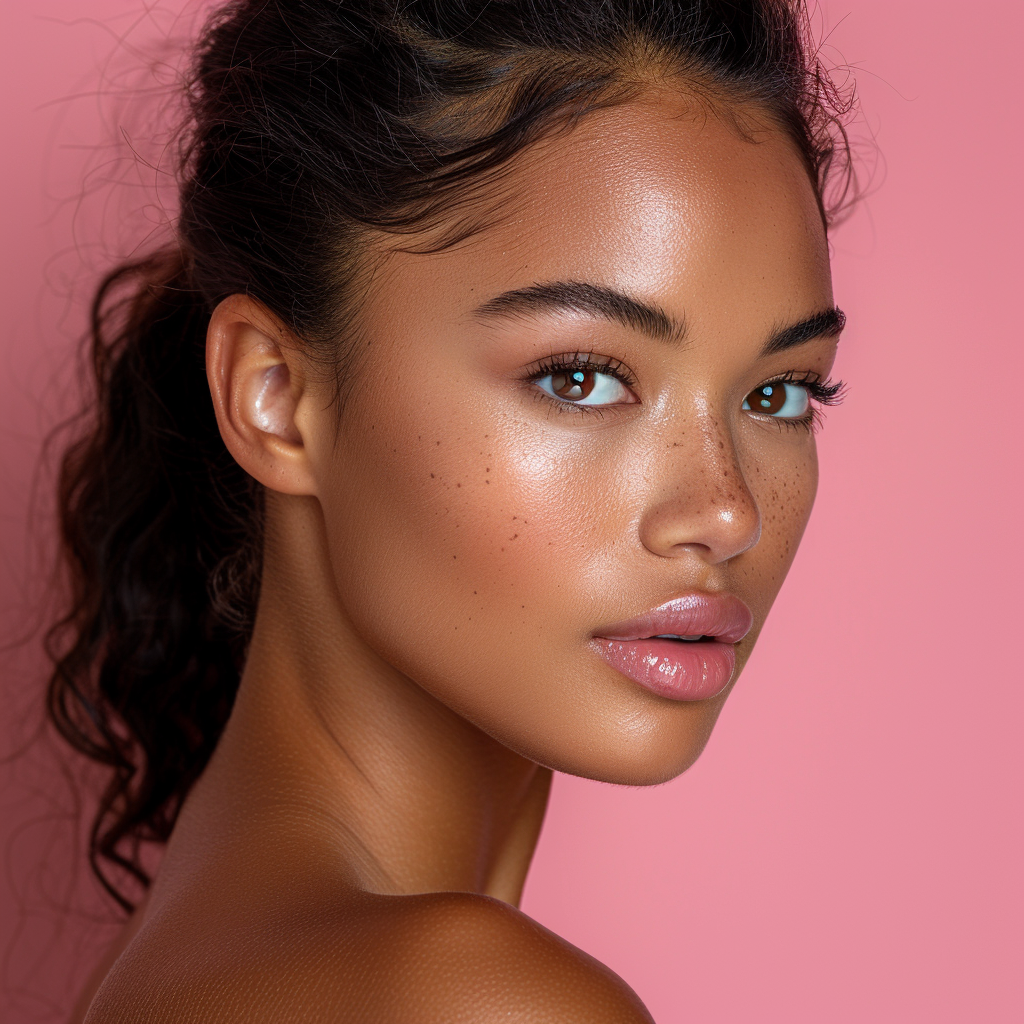
Diverse casting is not enough. Here is what real inclusion looks like behind the scenes.
At this point, we have all seen the pattern. A beauty brand posts a model with deeper skin. Maybe they launch a few new foundation shades. Maybe they share a caption about inclusivity or celebrating melanin. But give it a month, and it is back to business as usual.
This is what happens when inclusion becomes a marketing moment instead of a structural value. It is performative. It is shallow. And it is painfully easy to spot, especially if you have spent most of your life being excluded from beauty’s so-called norm.
What Is Tokenism in Beauty
Tokenism is the practice of making a symbolic gesture of inclusion, without actually changing your systems or structure.
In beauty, that looks like one Black model in a campaign. A temporary product extension with no follow-through. Social posts during Black History Month or Pride, with silence the rest of the year. Inclusive messaging created by teams that do not reflect the audience they are talking to.
It is not always intentional. But the impact is the same: it feels hollow. And in 2025, beauty consumers can spot it immediately.
How to Tell If You Are Doing It
Your visuals changed but your team did not. If your campaign suddenly looks more diverse, but your product development, labs, creative team, and leadership are still monocultural, that is not inclusion. That is optics.
You added shades but not science. Launching deeper tones without testing them properly, or without understanding undertones and pigment stability, is a clear sign of trying to look inclusive instead of actually being it.
You celebrate culture without context. Using terms like “melanin magic” without doing the work feels more like mimicry than meaning.
Why Tokenism Backfires
Audiences today, especially Black and Brown consumers, are smart, vocal, and connected. We know the difference between real inclusion and a one-time gesture.
Once your brand is seen as performative, it is hard to regain credibility. And the beauty industry does not have much goodwill left to waste.
When you treat inclusion like a box to tick, you also miss the chance to build deeper loyalty, better products, and more relevant strategies.
What Real Inclusion Looks Like
It is not about being perfect. It is about being clear, consistent, and intentional, from the inside out.
Diverse product testing. Test your products on a full range of Fitzpatrick skin types, especially V to VI. This matters for SPF, pigmentation serums, acids, and anything with brightening claims.
Representation behind the scenes. Inclusion is not just who is in the ad. It is who is in the room during development. Who is writing the brief. Who is shaping the strategy. Who is paid to influence the outcome, not just the optics.
Language that respects, not panders. Do not default to buzzwords like “melanin glow” unless you understand the skin biology behind it and can speak to it without cliché.
Long-term thinking. Do not show up for Black History Month and disappear. Do not drop shades for PR and never restock. Inclusion is year-round, or it is nothing.
Questions to Ask Before Launching a Diverse Campaign
Who did we build this for? Who helped shape it? Who tested it? Who profits from it? What is our plan to support this audience long-term?
If the answers feel thin or uncomfortable, that is your starting point.
Final Thought
Representation without structure is decoration. And beauty does not need more decoration. It needs depth.
If you are building a brand, or rebuilding one, and you care about inclusion, here is the truth: you do not have to say “diverse” in every sentence. You just have to build like you mean it.
That means doing the research. Paying the right people. Making inclusion part of the product brief, not the campaign tagline.
Consumers are watching. And we are not waiting to be included anymore, we are building our own.
Frequently Asked Questions
What is tokenism in the beauty industry?
Tokenism in beauty is when a brand makes a symbolic gesture of inclusion, such as featuring one model with deeper skin or launching a temporary shade extension, without making structural changes to product development, team composition, or brand strategy.
How can beauty brands avoid performative inclusion?
By testing products on diverse skin tones, hiring people of color in decision-making roles, using language that reflects lived experience, and maintaining inclusive practices year-round rather than only during cultural moments.
What does real inclusion look like in a beauty brand?
Real inclusion means diverse Fitzpatrick testing, representation in product development not just campaigns, ingredient choices that account for melanin-rich skin biology, and long-term community engagement beyond launch moments.

